Tracing Integration Patterns of Secure Funding Options Within Live Dealer Sessions on Portable Platforms
Morgan Hayes · Sep 10, 2026
Tracing Integration Patterns of Secure Funding Options Within Live Dealer Sessions on Portable Platforms
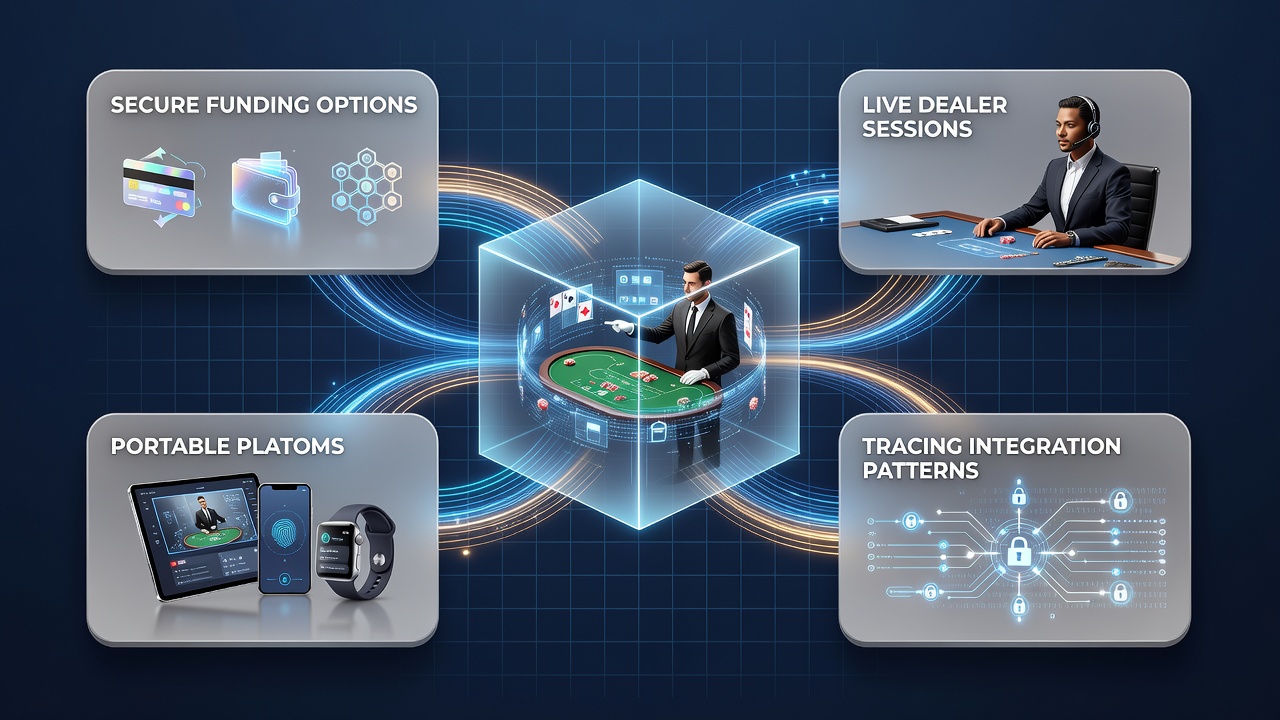
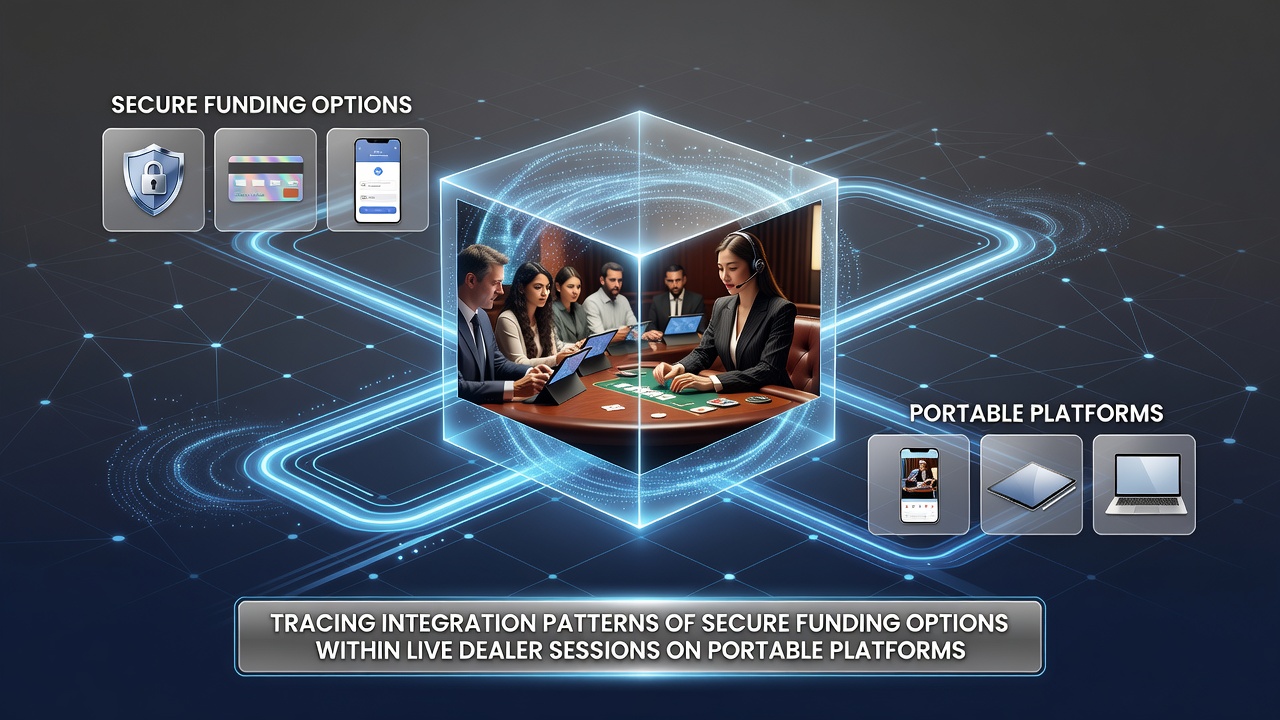
Secure funding options have become central to live dealer operations on portable platforms as operators adapt to real-time transaction demands during active sessions. Research from gaming technology firms shows that payment gateways now connect directly to streaming interfaces, allowing deposits without leaving the game window. Data indicates these patterns rely on tokenized systems and encrypted channels that maintain session continuity across smartphones and tablets.
Core Technical Patterns in Mobile Integration
Integration typically follows layered architectures where application programming interfaces link banking services to the live dealer platform. Observers note that tokenization replaces card details with unique identifiers processed through secure servers, reducing exposure during high-volume betting periods. Studies from industry analysts reveal that many systems incorporate biometric verification steps, such as fingerprint or facial recognition, which complete within seconds while video feeds continue uninterrupted.
Portable devices introduce additional variables including variable network conditions and operating system restrictions. Experts have documented patterns where progressive web applications bypass app store limitations to deliver consistent payment flows. These setups often use WebSocket connections to sync funding confirmations with dealer actions, ensuring bets register immediately after balance updates.
Regulatory Influences on Funding Security
Multiple jurisdictions enforce standards that shape how funding integrates into live sessions. The Nevada Gaming Control Board requires PCI DSS compliance for all real-time transactions, with audits tracking encryption strength during mobile play. In Canada, the Alcohol and Gaming Commission of Ontario publishes guidelines on data localization that affect how payment processors store transaction records from portable sessions. Australian regulatory reports highlight similar requirements for audit trails that capture every funding event within live dealer environments.
By September 2026, several European frameworks are scheduled to introduce updated interoperability rules for digital wallets in gaming applications. These changes aim to standardize API responses across borders, according to documents from the European Gaming adn Betting Association. Operators have begun testing these protocols in pilot programs to align with the timeline.
Case Examples from Platform Deployments
One documented deployment involved a European operator embedding e-wallet options directly into the dealer interface on tablets. Transaction logs from that rollout showed average processing times under four seconds, with minimal disruption to chat functions or card reveals. Researchers at a Canadian university examined similar patterns and found that session retention rates improved when funding steps required fewer screen transitions.
Another instance tracked cryptocurrency integrations on portable platforms in regulated markets. Here, blockchain confirmations were routed through side channels that fed balance updates back into the live stream without visible delays. Figures from trade group reports indicate such methods now appear in over 30 percent of new mobile live dealer launches in tested regions.
Data Trends and Performance Metrics
Analytics platforms tracking live dealer traffic report that portable devices account for the majority of session starts in monitored markets. Secure funding completion rates have risen alongside adoption of multi-factor authentication tied to device hardware. Industry data shows that sessions incorporating instant bank transfer options experience fewer mid-game exits compared to those relying solely on card entry forms.
What's notable is how latency measurements vary by region and connection type. Tests conducted through academic partnerships demonstrate that 5G networks reduce payment-to-bet intervals by measurable margins, allowing smoother integration during peak hours. These patterns continue to evolve as device manufacturers refine security chips used in authentication processes.
Conclusion
Tracing these integration patterns reveals consistent emphasis on encryption, tokenization, and low-latency connections that support uninterrupted live dealer play on portable platforms. Regulatory timelines, including updates planned for September 2026, continue to influence technical choices across jurisdictions. Available reports from gaming authorities and research institutions provide ongoing data on how these systems perform under real-world conditions.